Projects
The Neurology Research Office at University Teaching Hospitals (UTH) leads and supports a portfolio of clinical and translational projects. Our work spans acute care, chronic disease management, and health systems research, with a focus on neurologic conditions that carry the greatest burden for our patients and communities.
Current Flagship Projects
Below are some of our key ongoing projects. Each reflects our commitment to high-quality methods, strong partnerships, and research questions that matter at the bedside.
Stroke Pathways Improvement Project
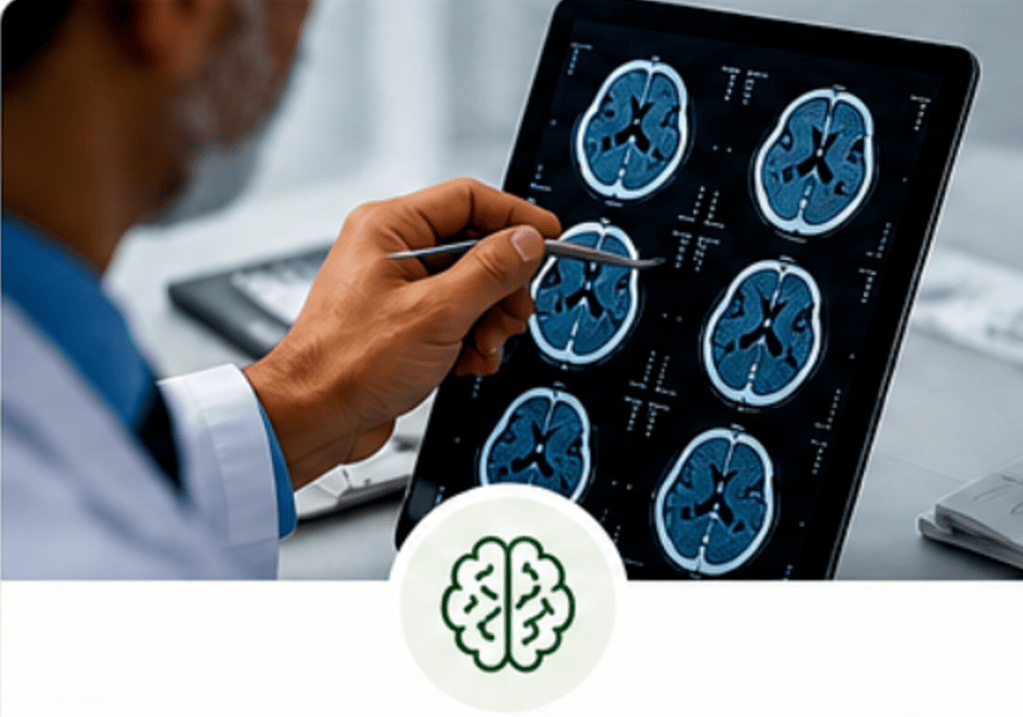
A mixed-methods project mapping the full stroke care pathway — from emergency presentation to rehabilitation — to identify gaps, delays, and opportunities for improvement.
- Focus: Acute stroke, systems of care, time-to-treatment
- Design: Prospective registry with embedded quality-improvement cycles
- Partners: UTH Main Campus, regional referral hospitals
Epilepsy Care Access Study
An observational cohort exploring access to diagnosis, treatment, and follow-up for people living with epilepsy across urban and peri-urban settings.
- Focus: Epilepsy, treatment gaps, stigma and adherence
- Design: Prospective cohort with patient-reported outcomes
- Partners: Regional Epilepsy Centre, community clinics
Neuroinfectious Disease Outcomes Registry

A registry-driven project following patients with central nervous system infections to understand risk factors, treatment patterns, and long-term outcomes.
- Focus: Neuroinfectious diseases, HIV-associated neurologic complications
- Design: Prospective registry with nested sub-studies
- Partners: Infectious Diseases and Neurology Unit, international collaborators
Neurology Research Leadership: Prof. Gretchen L. Birbeck

Prof. Gretchen L. Birbeck
Our neurology research work is informed by and aligned with the contributions of Prof. Gretchen L. Birbeck, a renowned neurologist and epidemiologist whose research addresses neurological disorders in resource-limited tropical settings, with a particular focus on Zambia and Malawi.
Areas of focus
- Epilepsy epidemiology, treatment gaps, and the social and economic impact of epilepsy in sub-Saharan Africa.
- Neurologic complications of infectious diseases, including cerebral malaria and HIV-associated neurologic disorders.
- Health-systems and implementation research to improve access to neurology care in resource-limited settings.
- Training and capacity building for clinicians, researchers, and multidisciplinary neurology teams in Zambia and Malawi.
Several of our initiatives in epilepsy, neuroinfectious diseases, and health-systems research draw on and contribute to this broader body of work, helping to translate global neurology insights into practical improvements in care.
Completed & Legacy Projects
Our completed projects continue to inform practice, training, and new lines of enquiry. Here are examples of previous work led or supported by the Neurology Research Office.
- Neurology Training Needs Assessment — Survey and interviews informing the design of neurology training programmes for residents and clinical officers.
- Headache Burden in Outpatient Clinics — Cross-sectional study describing patterns of presentation, imaging use, and treatment for primary headache disorders.
- Tele-neurology Pilot — Feasibility project exploring remote consultation models between regional hospitals and the UTH Neurology team.
How We Design and Deliver Projects
Every project is built on strong methods, ethical integrity, and practical relevance. Our team guides investigators through the full project lifecycle:
- Concept development — Refining the research question, exploring feasibility, and aligning with clinical priorities.
- Protocol and approvals — Methodology, budgeting, regulatory submissions, and ethics review.
- Implementation and oversight — Site preparation, training, data quality monitoring, and safety oversight.
- Analysis and dissemination — Statistical analysis, manuscript preparation, conference presentations, and feedback to clinical teams.
Propose a Collaboration
If you are interested in partnering on a neurology research project, quality-improvement initiative, or training-focused study, we would be pleased to hear from you. Visit our Contact page to reach the Neurology Research Office and discuss potential collaborations.

